




ON-DEMAND VIRTUAL EVENT
Proving Research Impact with (and Beyond) AI
In fast-paced product orgs, researchers are under pressure to deliver insights faster, align cross-functional teams, and show ROI—without sacrificing quality.
Join Rebecca Oliveira, Strategic Research Manager at Happening, and Marvin CEO Prayag Narula for a no-fluff fireside chat on how research leaders are meeting the moment—with and beyond AI.
They’ll share real-world strategies for using AI responsibly, measuring impact, and leading teams with clarity, creativity, and business alignment.
What you'll learn:
💡How to define and prove research value across teams
💡When to use AI for speed—and when to go deep
💡Why storytelling and stakeholder trust still rule
💡How to build AI fluency as a critical skill
Speaker Spotlight

Rebecca Costa de Oliveira
Rebecca Costa de Oliveira is a research leader with over 10 years of experience connecting people, product, and strategy. She takes a holistic approach, combining methodological depth with business acumen to turn research into a bridge across teams and decisions.
Known for her credibility, clarity, and empathetic leadership, she champions research as a strategic force, one that drives real impact, accelerates decisions, and helps build strong product cultures. For her, impact is not about a single project, but about the ability to turn complexity into action with consistency over time - and to shape a lasting culture along the way.
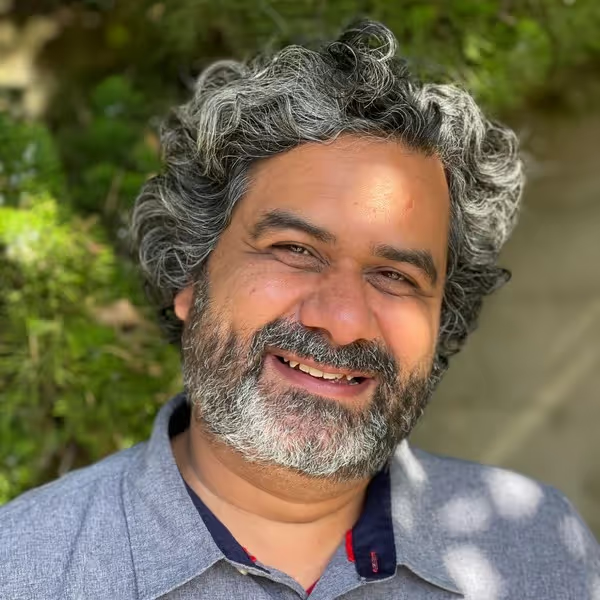
Prayag Narula
Prayag Narula is co-founder and CEO of Marvin, an AI-native customer insights platform trusted by Fortune 500 companies to better understand their customers. Marvin brings together AI-powered research tools, an intelligent knowledge repository, and agentic AI to help teams connect with their users, learn faster, and make better decisions together.
Prayag has spent his career at the intersection of research, technology, and entrepreneurship. Before Marvin, he co-founded and led LeadGenius. He previously worked as a researcher at the University of Helsinki, studied at UC Berkeley’s School of Information, and published more than a dozen papers on human-computer interaction, user-centered design, and artificial intelligence.